 Pinterest
 My kitchen smelled like candied citrus the morning I first assembled these scones, and honestly, I wasn't even trying to be fancy—I'd just grabbed what looked promising from my pantry while planning a casual Valentine's brunch. The combination of buttery tenderness with those bright pops of orange and tart cranberry felt like stumbling onto something special, the kind of recipe that tastes like you've been planning it for weeks when really it came together in less than an hour. Now whenever I make them, I can't help but smile at how effortless they feel once you understand the rhythm of not overworking the dough.
I made these for my sister's surprise brunch last February, and she walked in to the aroma of butter and citrus filling the whole apartment—her face just lit up in that way that made me realize good food isn't really about the technique, it's about the moment. Watching people break into one of these scones, see the candied peel catch the light, and take that first bite never gets old. That's when I knew this recipe belonged in regular rotation, not just for special occasions.
Ingredients
- All-purpose flour (2 cups): The foundation that needs to stay cool, so chill your bowl first if your kitchen runs warm—it sounds fussy but it genuinely changes everything about the texture.
- Granulated sugar (1/4 cup): Just enough sweetness to let the fruit shine through without making these taste like dessert masquerading as breakfast.
- Baking powder (1 tablespoon): Your lift and lightness, so make sure it's fresh because old baking powder betrays you quietly.
- Fine sea salt (1/2 teaspoon): Amplifies the citrus notes in a way that makes people ask what your secret ingredient is.
- Dried cranberries (1/2 cup): Tart counterpoint to the sweet candied peel, though you can swap in dried cherries or golden raisins if that's what you love.
- Candied orange peel (1/3 cup, finely chopped): The star—seek out the good stuff that's actually chewy, not the rock-hard variety, and chop it smaller than you think necessary so every bite has little flecks of brightness.
- Orange zest (from 1 orange): Fresh zest adds an aromatic punch that candied peel alone can't deliver, so don't skip it even though it seems redundant.
- Cold unsalted butter (1/2 cup): Cut it into cubes and keep it cold because warm butter makes tough scones, and we're not here for that.
- Heavy cream (2/3 cup): The moisture that keeps these tender, plus extra for brushing the tops before they hit the oven.
- Large egg (1): Binds everything together and gives the tops that beautiful golden finish.
- Pure vanilla extract (1 teaspoon): A whisper of warmth that makes the whole thing feel more luxurious than it actually is.
- Powdered sugar and fresh orange juice (for optional glaze): If you want to gild the lily, this glaze is the right call, but honestly, these are plenty delicious without it.
Tired of Takeout? 🥡
Get 10 meals you can make faster than delivery arrives. Seriously.
One email. No spam. Unsubscribe anytime.
Instructions
- Set your stage:
- Preheat your oven to 400°F and line a baking sheet with parchment paper—this little bit of prep means you're not scrambling when the dough is ready to bake. Think of it as clearing space for the actual fun part.
- Build your dry base:
- Whisk together flour, sugar, baking powder, and salt in a large bowl, making sure everything is evenly distributed so you don't hit a pocket of baking powder in one scone. This whisking moment is when you can smell the potential of what's coming.
- Work in the cold butter:
- Add those cold butter cubes and use a pastry cutter, fork, or your fingertips to rub everything together until it looks like coarse breadcrumbs—the goal is little pockets of butter distributed throughout because those pockets create the flaky layers. This tactile part is oddly satisfying once you understand what you're aiming for.
- Fold in the fruit:
- Stir in your cranberries, candied orange peel, and fresh orange zest, coating everything evenly so the fruit distributes throughout rather than sinking to the bottom.
- Combine wet ingredients:
- In a separate bowl, whisk together cream, egg, and vanilla until just combined, then pour this over your dry mixture. This is the moment to channel your restraint—mix gently and stop the second everything is barely combined because overworking develops gluten and makes tough scones.
- Shape the dough:
- Turn the dough onto a lightly floured surface and pat it into a disc about 1 inch thick, then cut it into 8 wedges like you're slicing pie. The gentle handling here determines whether these turn out tender or dense.
- Prepare for baking:
- Arrange the wedges on your prepared baking sheet with a little space between them so they can puff up without touching, then brush the tops generously with extra cream for that gorgeous golden finish.
- Bake to golden perfection:
- Bake for 16 to 18 minutes until the tops are deep golden and you can smell that buttery warmth filling your kitchen. Let them cool on a rack so steam escapes and they don't get soggy.
- Optional glaze:
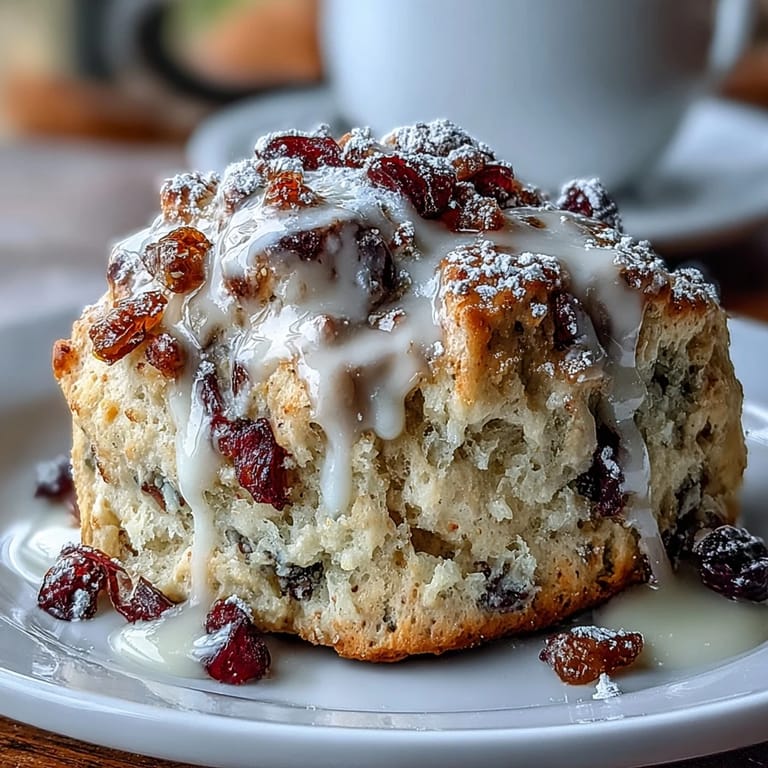
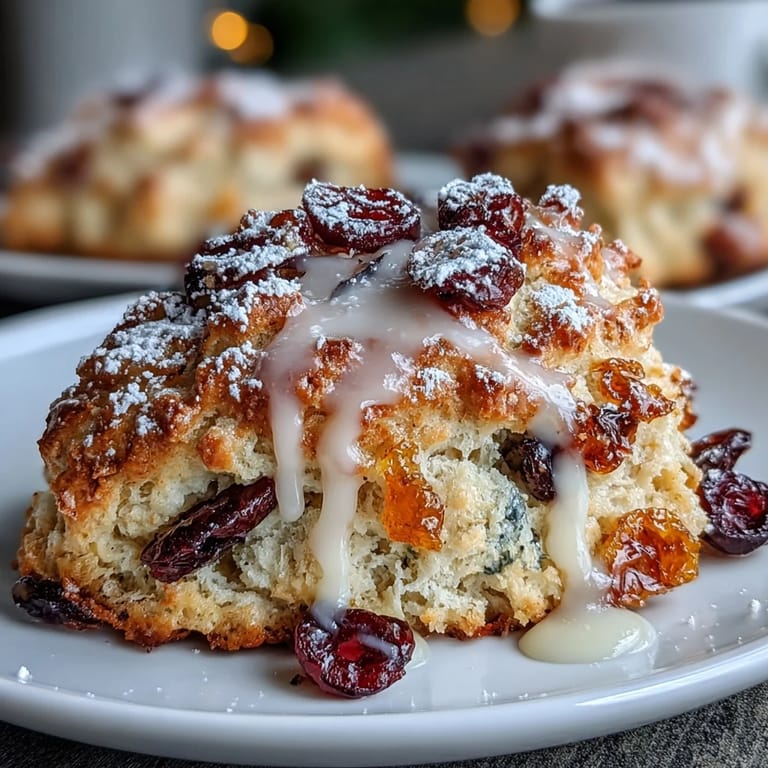
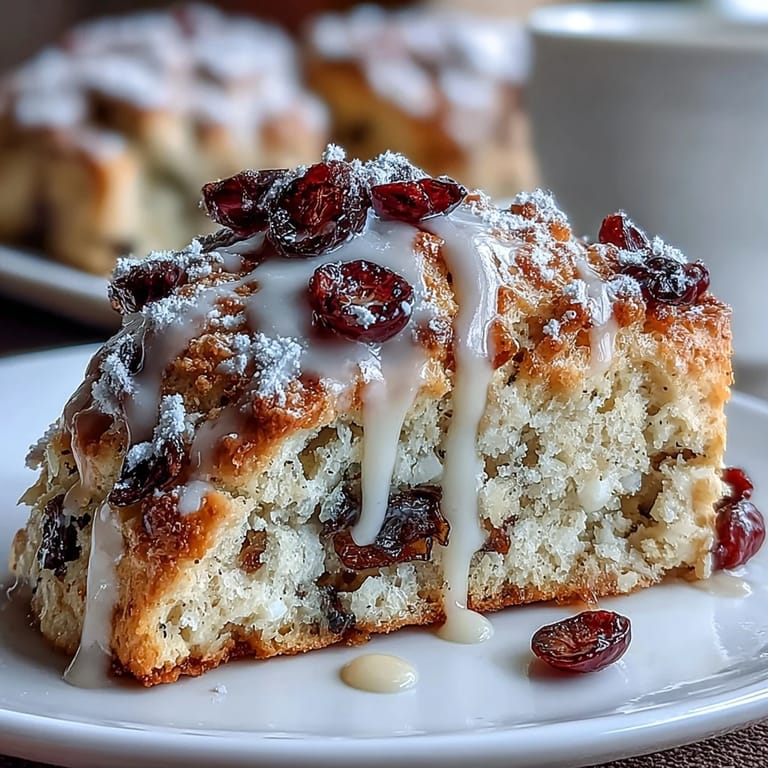
- If you want to finish them, whisk powdered sugar with fresh orange juice until smooth and drizzle it over the cooled scones for a touch of extra citrus brightness.
 Pinterest
 There's something about pulling warm scones out of the oven and having someone you care about arrive right on cue that feels like pure magic, even though it's just timing and butter and good intentions. These became the scone I make when I want to impress without stress, when I want to taste like I've been a baker all my life but really just borrowed the wisdom of people who actually have been.
The Candied Orange Peel Difference
The quality of your candied orange peel makes a bigger difference than you'd expect—I've had batches that tasted bright and sophisticated and others that reminded me of waxy candy from a dollar store. Seek out the chewy, actual fruit kind rather than hard little pebbles, and chop it smaller than feels intuitive so you get little flecks of citrus throughout every bite instead of big chunks. If you can't find good candied orange peel, substitute finely zested fresh orange peel blanched quickly in boiling water and tossed with a little sugar, though it won't be quite as intense.
Timing and Temperature Matter
I used to underbake these scones because I was nervous about drying them out, and they'd come out slightly damp in the middle, which felt like a failure—then I realized 16 to 18 minutes at 400°F is the sweet spot where they're set through but still tender. The tops should be deep golden, almost caramel-brown in places, and when you tap the bottom of a scone it should sound hollow like a little teapot. This golden color is what tells you the butter has cooked through and created those flaky layers, not just the egg wash reflecting light.
Storage and Freezing Wisdom
These scones stay fresh in an airtight container for three days, and they freeze beautifully for up to three months—I often make a double batch and freeze half for those mornings when I want to feel like I've accomplished something without actually cooking. To reheat, wrap a frozen scone in a damp paper towel and microwave for about 45 seconds, or place it in a 300°F oven for 5 minutes if you have more time and want the outside to re-crisp slightly. A final note about variations: I've swapped in white chocolate chips, tried fresh raspberries mixed with the candied peel, and even made a version with lemon zest, so don't feel locked into the original if your instincts pull you somewhere else.
- Freeze unbaked scone wedges on a sheet, then transfer to a freezer bag and bake straight from frozen, adding just a minute or two to the baking time.
- The candied orange peel can be chopped and stored separately, so you can assemble scones whenever the mood strikes without worrying about ingredients going stale.
- These pair beautifully with whipped cream, clotted cream, jam, or even fresh orange curd if you're feeling adventurous.
 Pinterest
 These scones have become my go-to when I want to feel like I've created something beautiful without spending hours in the kitchen or stressing about technique. They're the kind of recipe that whispers rather than shouts, letting good butter and bright fruit do the talking.
Recipe FAQs
- → What is the best way to incorporate candied orange peel?
Finely chop the candied orange peel before folding it into the dry ingredients to ensure even distribution and bursts of citrus flavor in every bite.
- → Can I substitute dried cranberries with other dried fruits?
Yes, dried cherries or golden raisins can be used as alternatives, offering a similar tartness or sweetness to complement the orange.
- → How should the butter be prepared for these scones?
Use cold unsalted butter cut into cubes and incorporate it by rubbing it into the flour mixture until it resembles coarse crumbs, which helps create a tender texture.
- → Is the dough safe to overwork?
No, gently mix the dough just until combined to maintain a light, flaky texture; overmixing will make the scones dense.
- → How can I enhance the flavor after baking?
Drizzle a simple glaze made of powdered sugar and fresh orange juice over cooled scones for added sweetness and a citrusy finish.