 Pinterest
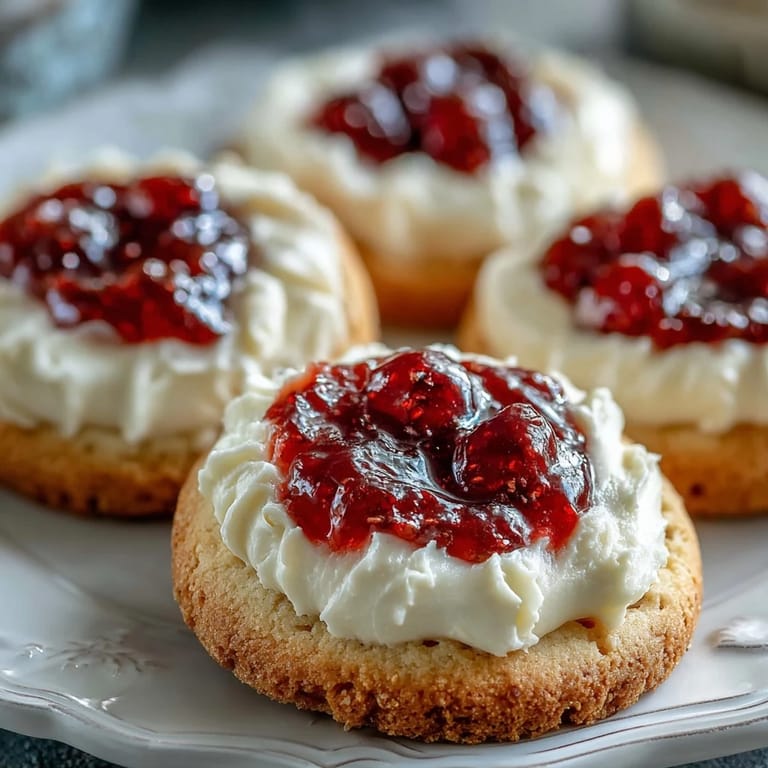
 There's something magical about the moment clotted cream hits warm sugar in a mixing bowl—it transforms into something impossibly luxurious that regular butter simply cannot achieve. My neighbor brought over a tin of proper Cornish clotted cream one autumn afternoon, and rather than use it the traditional way on scones, I wondered what would happen if I baked it into sugar cookies. The result was so tender and rich that I've made these constantly ever since, each batch disappearing faster than the last.
I served these at a small garden tea party last spring, and watching people's faces light up when they bit into the jam center felt like the smallest victory imaginable. One guest actually closed her eyes mid-bite, which told me everything I needed to know about whether the recipe was worth repeating.
Ingredients
- All-purpose flour (2 1/4 cups): This is your structure, and measuring by weight rather than scooping prevents the dry, cakey cookies that come from too much flour packed in.
- Baking powder (1/2 teaspoon): Just enough lift to keep these tender without making them cake-like.
- Fine sea salt (1/4 teaspoon): It brightens the sweetness and makes the clotted cream flavor sing.
- Unsalted butter (1/2 cup, softened): Softened means truly soft—leave it on the counter for 20 minutes if it came from the fridge.
- Clotted cream (1/2 cup, room temperature): This is the star ingredient; it adds richness and a subtle tang that makes people ask what your secret is.
- Granulated sugar (1 cup): Standard white sugar works best here for the right texture and sweetness balance.
- Large egg (1, room temperature): Room temperature eggs mix more evenly and create a smoother dough.
- Pure vanilla extract (1 teaspoon): Real vanilla matters more here than in heavily spiced recipes.
- Strawberry jam (1/2 cup, preferably seedless): Seedless jam creates a cleaner center and fewer surprises when biting through.
Tired of Takeout? 🥡
Get 10 meals you can make faster than delivery arrives. Seriously.
One email. No spam. Unsubscribe anytime.
Instructions
- Prepare your oven and workspace:
- Heat your oven to 350°F and line two baking sheets with parchment paper while it's warming up. This step matters because you'll want to bake as soon as the dough is ready.
- Mix the dry ingredients:
- Whisk together the flour, baking powder, and salt in a medium bowl, then set it aside. I always whisk rather than stir because it adds a tiny bit of air and prevents lumps.
- Cream the butter, clotted cream, and sugar:
- In a large bowl, beat these three together for about 2 minutes until the mixture looks pale and fluffy. The clotted cream will be a bit lumpy at first, but keep beating and it will integrate beautifully.
- Add the egg and vanilla:
- Mix in the egg and vanilla extract until you see no streaks of yellow remaining. This takes about a minute, and the mixture should look creamy and homogeneous.
- Bring the dough together:
- Add the dry ingredients to the wet mixture slowly, stirring just until a soft dough comes together. Overmixing at this stage makes tough cookies, so stop as soon as you see no dry flour.
- Portion and shape:
- Scoop tablespoon-sized portions of dough and roll them into balls with your hands. Place them 2 inches apart on your prepared baking sheets because they spread slightly during baking.
- Make the jam wells:
- Press your thumb or the back of a teaspoon gently into the center of each dough ball to create a small indentation. Don't press too hard or you'll crack the dough.
- Fill the centers:
- Spoon about 1/2 teaspoon of jam into each indentation. If you overfill, the jam will leak out during baking, so less is truly more here.
- Bake until golden:
- Slide the baking sheets into the oven for 12 to 14 minutes, watching until the edges turn pale golden. The centers will still look slightly underbaked, which is exactly what you want.
- Cool with patience:
- Let the cookies rest on the baking sheet for 5 minutes before moving them to a wire rack. Those 5 minutes allow them to set just enough to move without breaking.
 Pinterest
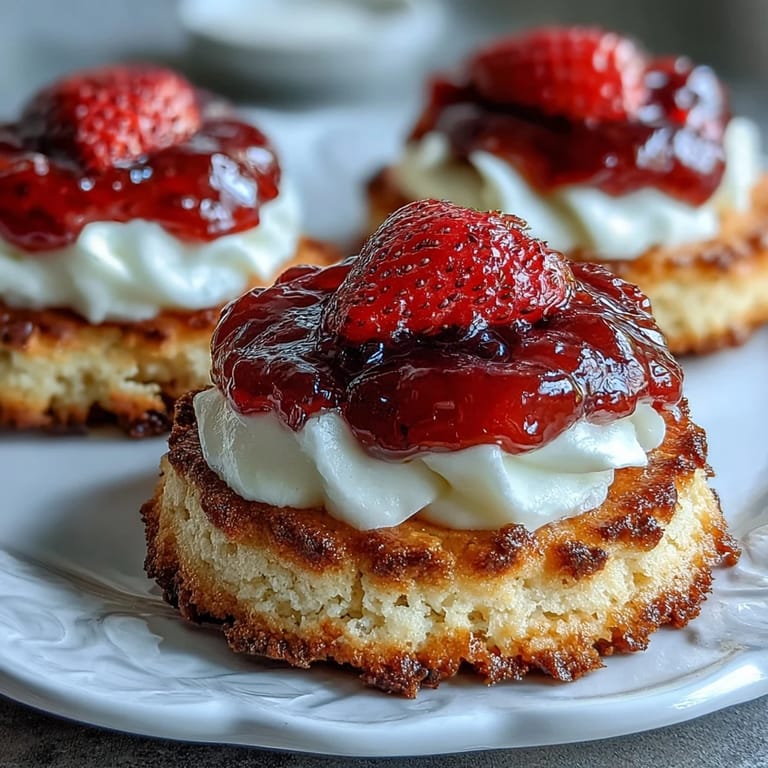
 There was one afternoon when I made these for a friend who'd just moved into her first place, and we sat in her empty kitchen eating warm cookies straight from the cooling rack while talking about her new beginning. That's when I realized these aren't just cookies—they're an edible way of saying I'm thinking of you.
Why Clotted Cream Changes Everything
Clotted cream is essentially butter's luxurious cousin—it's made by heating heavy cream slowly until fat rises to the top and sets into a thick, dense layer. When you bake with it instead of using only butter, the cookies become impossibly tender because clotted cream has a higher fat content and a unique structure that adds moisture without making them greasy. The flavor is subtly tangy and rich in a way that makes people pause mid-bite trying to figure out what makes them different.
Timing Your Ingredients Right
I learned the hard way that cold clotted cream straight from the fridge creates a grainy, separated dough that's frustrating to work with. Now I always pull it out 15 minutes before I start mixing, and it integrates beautifully with the butter and sugar. If you're in a rush, you can warm the clotted cream bowl briefly under warm water, but don't overheat it or you'll create the same problems.
Storage, Variations, and Final Thoughts
These cookies keep beautifully in an airtight container for up to 3 days, though they're honestly best eaten within the first two days when they're still tender. You can substitute raspberry or apricot jam for the strawberry, or add 1 teaspoon of finely grated lemon zest to the dough for a bright citrusy twist. The beauty of this recipe is its flexibility—it begs for experimentation while staying reliably delicious every single time.
- If your jam is too thick, stir it with a spoon before filling so it spreads easily into the cookie centers.
- Make these on a cool day if possible because warm kitchens can make the dough too soft to handle.
- Double the recipe and freeze half the baked cookies unfilled, then add jam centers when you want fresh cookies later.
 Pinterest
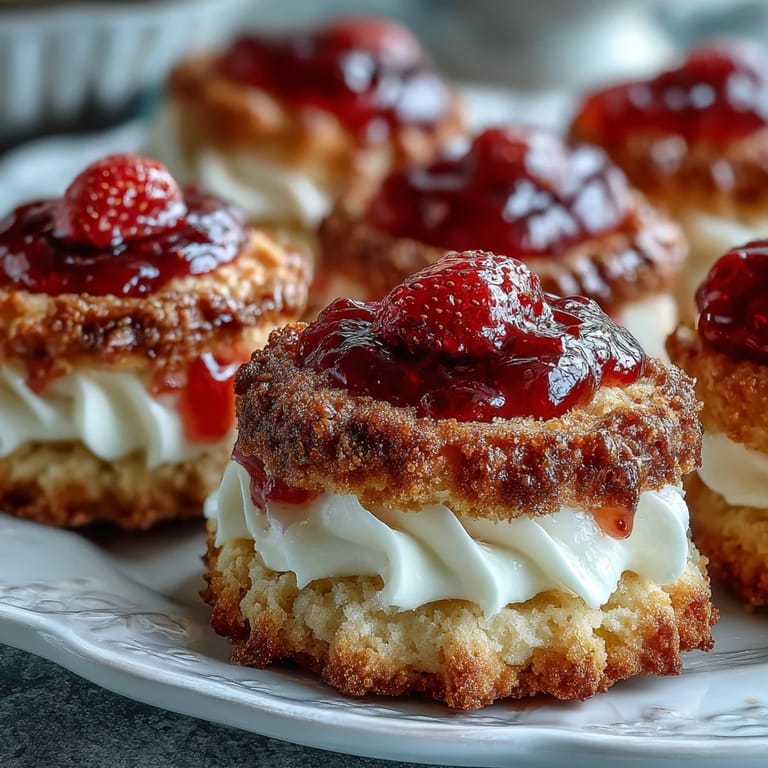
 These clotted cream and strawberry jam cookies have a way of making any ordinary afternoon feel like teatime. Once you taste them, you'll understand why I can never seem to stop baking them.
Recipe FAQs
- → What makes clotted cream sugar cookies unique?
The addition of clotted cream enriches the dough, creating a richer, softer texture compared to regular sugar cookies.
- → Can I substitute the strawberry jam?
Yes, raspberry or apricot jam can be used to vary the fruity filling while maintaining sweetness and moisture.
- → How should I store these cookies?
Store the cookies in an airtight container at room temperature for up to 3 days to keep them fresh.
- → Is it necessary to chill the dough before baking?
Chilling is not required but can help maintain shape during baking if preferred.
- → Can lemon zest be added to the cookies?
Adding finely grated lemon zest offers a bright citrusy note that complements the creamy and sweet flavors.