 Pinterest
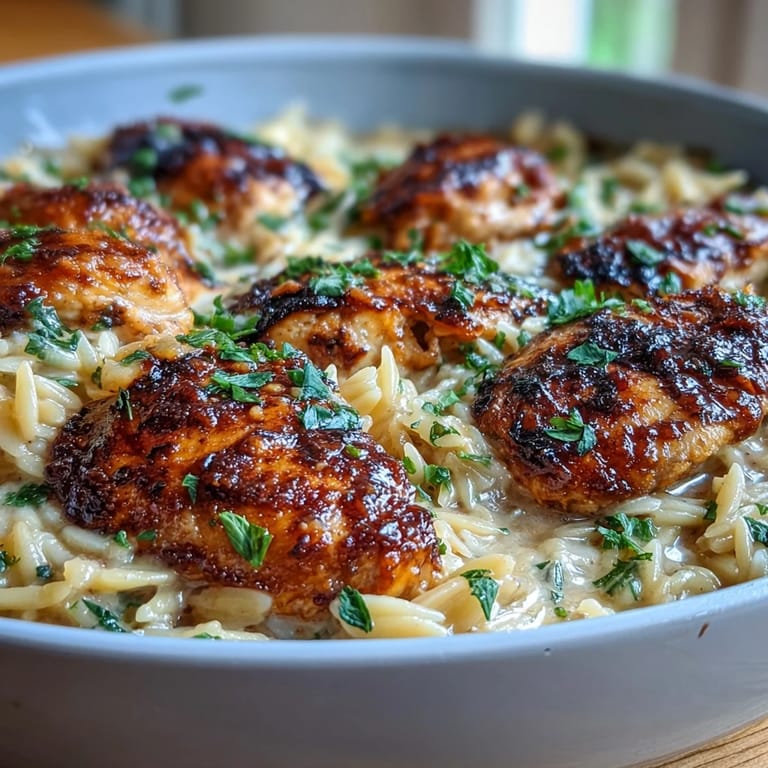
 My neighbor stopped by one evening just as I was standing in front of my pantry, utterly stuck on what to make for dinner. She caught a whiff of garlic from something I'd been roasting earlier and casually mentioned how much she craved creamy pasta with real chicken, not just broth. That simple comment sparked the idea for this one-pot wonder, and honestly, it's become the dish I make when I want to feel like I've put in effort without actually spending hours in the kitchen. The magic happens in one skillet—golden chicken, tender pasta, and a sauce so silky it feels indulgent but tastes completely natural.
I made this for my parents last winter, and my dad—who's usually skeptical about anything "fancy"—went back for seconds without saying a word, which in his language means everything. When he finally spoke, he just said the chicken was tender and the whole thing tasted like something he'd pay for, which felt like winning the lottery in our kitchen. That meal turned into a regular request, and now whenever they visit, this is what appears on the table before they even ask.
Ingredients
- Chicken thighs or breasts: Thighs are more forgiving and stay juicy, but breasts work fine if that's what you have—just don't overcook them or they'll turn tough.
- Kosher salt, black pepper, and Italian seasoning: This simple trio coats the chicken with just enough seasoning to let everything else shine without needing extra salt later.
- Olive oil: A good glug gets the pan hot enough to create that golden crust on the chicken that makes the whole dish feel intentional.
- Garlic and onion: These are your flavor foundation—mince the garlic fine so it distributes throughout the sauce and cook the onion until it's completely soft.
- Baby spinach: Optional, but it adds a subtle earthiness and makes you feel like you snuck vegetables into comfort food.
- Orzo pasta: These tiny rice-shaped noodles are perfect here because they absorb the sauce while cooking and feel less heavy than larger pasta shapes.
- Low-sodium chicken broth: The liquid that becomes your sauce, so quality matters—taste as you go and adjust seasoning at the end.
- Heavy cream and Parmesan: The cream creates the luxurious texture, while fresh grated Parmesan—not the pre-grated kind—actually melts into the sauce instead of clumping.
- Butter: Just two tablespoons, but they add a richness that makes everything taste like it came from somewhere special.
- Fresh parsley: A handful scattered on top at the end brightens the whole dish and makes it look like you actually planned this meal.
Tired of Takeout? 🥡
Get 10 meals you can make faster than delivery arrives. Seriously.
One email. No spam. Unsubscribe anytime.
Instructions
- Season and sear the chicken:
- Toss your chicken pieces with salt, pepper, and Italian seasoning, coating them evenly. Heat olive oil in your large skillet until it shimmers, then place chicken pieces in and listen for that satisfying sizzle—don't move them around for a few minutes so they develop a golden crust.
- Set chicken aside:
- Once the pieces are golden and cooked through (about 5 to 7 minutes), transfer them to a plate and don't worry if they look slightly underdone in the center—they'll finish cooking when they return to the pan.
- Build the flavor base:
- In the same pan with all those beautiful browned bits stuck to the bottom, melt butter over medium heat and add your diced onion. Stir occasionally until the onion turns completely soft and translucent, which takes about 3 minutes and signals the pan is ready for garlic.
- Toast the garlic:
- Add your minced garlic and let it cook until fragrant—this happens fast, around 1 minute, and you'll smell it before you know it's done. Don't let it brown or it turns bitter.
- Toast the orzo:
- Stir in the dry orzo pasta and let it toast in the butter and garlic for 1 to 2 minutes, stirring constantly. This step adds a subtle nutty flavor that changes the whole profile.
- Add broth and scrape:
- Pour in your chicken broth, then use a wooden spoon to scrape up all those stuck-on brown bits from the bottom—that's concentrated flavor dissolving into your sauce. Bring everything to a gentle boil, then drop the heat to a simmer.
- Simmer with the cover on:
- Cover your skillet and let it cook for 8 to 10 minutes, stirring occasionally, until the orzo is tender but still has a slight bite and most of the liquid has been absorbed. Peek under the lid occasionally to make sure it's not sticking, but resist the urge to stir constantly.
- Return the chicken and finish:
- Add the seared chicken back to the pan along with any juices that accumulated on the plate, then pour in the heavy cream and sprinkle the freshly grated Parmesan while stirring constantly. Toss in the spinach if you're using it, though the heat of the pan will wilt it almost immediately.
- Final simmer:
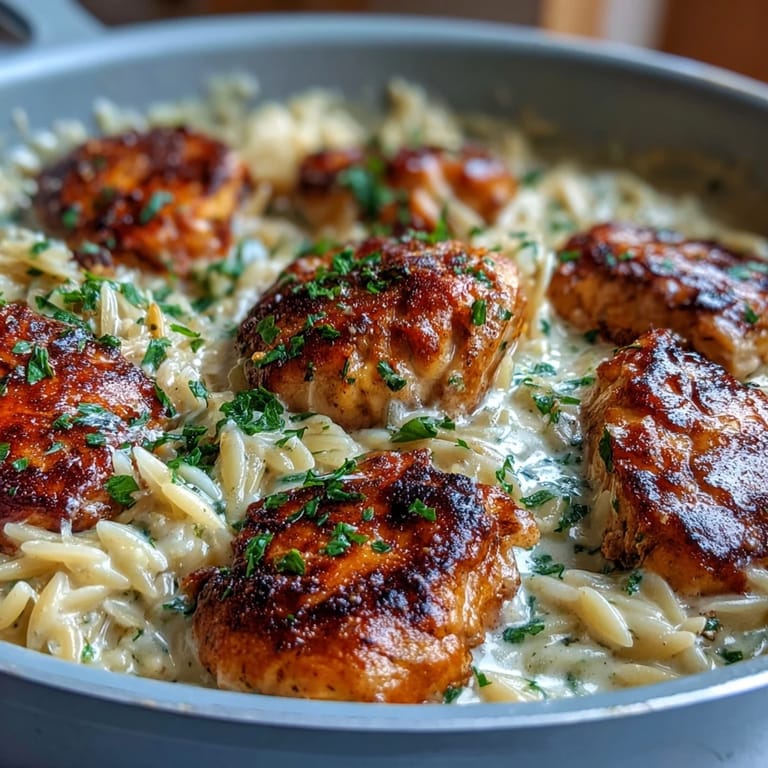
- Let everything bubble gently for 2 to 3 minutes while you stir, just until the sauce looks silky and the chicken is heated through. Taste and adjust salt and pepper if needed—sometimes the Parmesan is enough, sometimes you need a pinch more salt.
- Plate and serve:
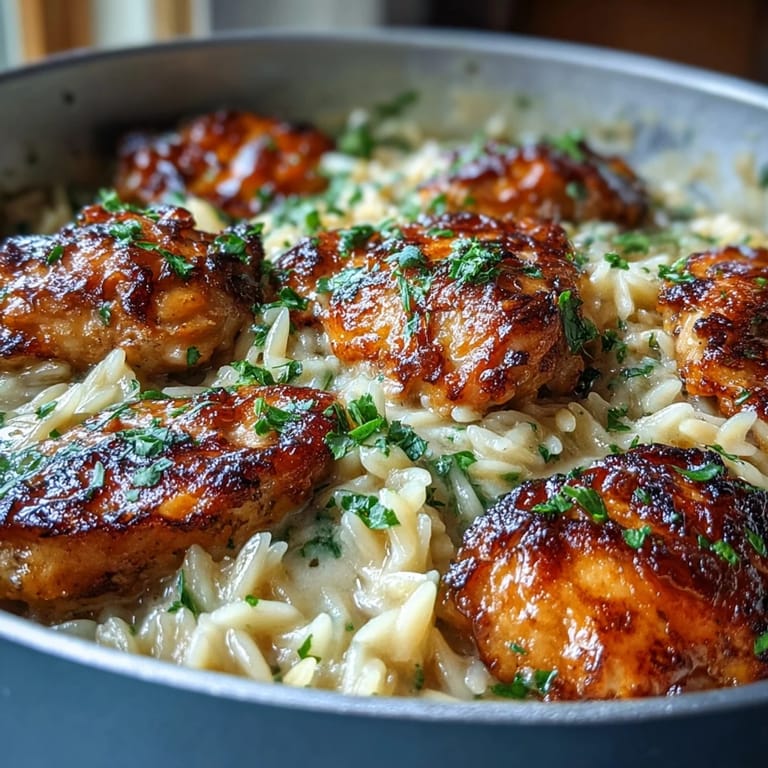
- Remove from heat, scatter fresh parsley on top, add a final dusting of Parmesan, and serve while it's hot. The warmth of the skillet keeps everything at the perfect temperature.
 Pinterest
 There's something about cooking everything in one vessel that feels almost meditative—watching the pasta slowly soften, the sauce thicken, and these separate ingredients suddenly become one cohesive dish. The first time I saw someone's face light up when they took a bite, I understood why this kind of cooking matters; it's not just about feeding people, it's about giving them a moment that tastes like care.
Why This One-Pot Approach Works
Cooking the pasta directly in the broth means it absorbs all that chicken flavor as it softens, eliminating the need for extra seasoning later. The starch released from the pasta naturally thickens the cream, creating a sauce that feels intentional rather than accidental. You're essentially building flavor in layers, and each step adds something the next step depends on.
Timing and Temperature Matter More Than You Think
Medium-high heat for searing the chicken is crucial—too low and you get steamed chicken instead of that beautiful golden crust. Once you add the broth, resist the urge to boil aggressively; a gentle simmer keeps the pasta from breaking apart and gives you more control over how creamy the final sauce becomes. The whole process moves quickly once you start, so gather everything in advance and you'll move through it smoothly.
Customization Without Losing Your Way
This dish's structure is stable enough that you can play with it without breaking it. Mushrooms, bell peppers, or sun-dried tomatoes can go in with the onion and garlic; they'll flavor everything as they soften. You can use half-and-half instead of heavy cream if you want something lighter, or add a splash of white wine with the broth for complexity. Just remember that the core—seared chicken, creamy sauce, tender pasta—is what makes it work.
- If you're doubling the recipe, don't double the salt at first; season conservatively and taste before adding more.
- Leftovers actually improve overnight as flavors meld, though the pasta will absorb more liquid, so reheat gently with a splash of broth.
- Pair this with something acidic like a fresh salad or roasted vegetables to balance the richness and make the meal feel complete.
 Pinterest
 This is the kind of meal that makes weeknight cooking feel less like a chore and more like something you choose to do. It's simple enough to repeat regularly but comforting enough that people ask for it by name.
Recipe FAQs
- → Can I use chicken breasts instead of thighs?
Yes, boneless skinless chicken breasts work well in this dish. Just be careful not to overcook them since they dry out faster than thighs. Cut them into similar bite-sized pieces and adjust cooking time as needed.
- → What can I substitute for orzo pasta?
Small pasta shapes like ditalini, macaroni, or even shells work great as alternatives. Rice could also be used, though you'll need to adjust the liquid amount and cooking time accordingly.
- → Can I make this ahead of time?
This dish is best served fresh, as the orzo continues to absorb liquid and may become mushy when reheated. However, you can prep all ingredients in advance and cook everything just before serving.
- → How do I store leftovers?
Store in an airtight container in the refrigerator for up to 3 days. When reheating, add a splash of broth or cream to loosen the sauce, as it will thicken in the fridge.
- → Can I make this lighter?
Absolutely! Substitute half-and-half or whole milk for the heavy cream, and reduce the Parmesan slightly. You can also add more vegetables like mushrooms or bell peppers to bulk it up without adding many calories.