 Pinterest
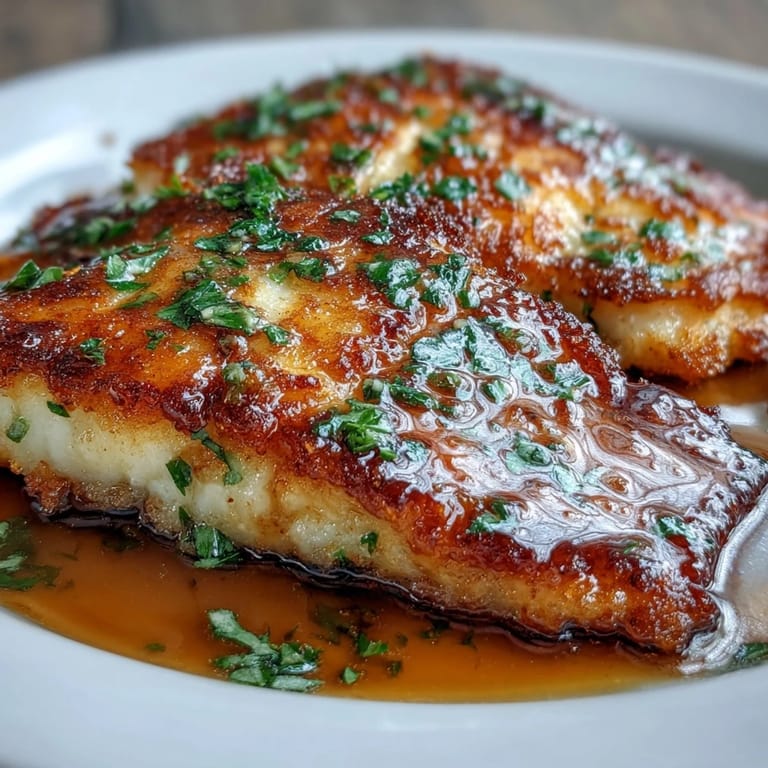
 My first flounder meunière came together almost by accident one Tuesday evening when I had exactly twenty minutes before guests arrived and a beautiful fillet on my countertop. The buttery sauce bubbled and browned while the fish turned golden in the pan, and suddenly I understood why the French made this dish sound so effortless—because once you master the technique, it truly is. There's something about the simplicity that makes it feel fancy, the way a squeeze of lemon and brown butter can transform something so delicate into something unforgettable.
I made this for my mother after she'd mentioned craving something light but restaurant-quality, and watching her close her eyes after that first bite told me everything. She asked for the recipe immediately, which felt like the highest compliment—not because it was complicated, but because she couldn't believe something so elegant could belong on a weeknight. Now it's become our shorthand for "let's feel a little fancy without the fuss."
Ingredients
- Flounder fillets (4, about 150g each): Look for fillets that are uniform in thickness so they cook evenly; if one side is thicker, gently pound it flat with the heel of your hand.
- Kosher salt and freshly ground black pepper: Season generously before dredging—this is your only real seasoning besides the lemon, so don't be shy.
- All-purpose flour (1/2 cup): This light coating creates a delicate, golden crust; shake off every bit of excess or you'll end up with floury spots instead of a crispy exterior.
- Unsalted butter (7 tablespoons total) and olive oil (2 tablespoons): The combination of butter and oil prevents the butter from burning at high heat, and the ratio matters—too much oil and you lose that luxurious butter flavor.
- Lemon juice and fresh parsley: These aren't garnishes here; they're the soul of the sauce, so use fresh lemon and hand-chop the parsley just before serving.
Tired of Takeout? 🥡
Get 10 meals you can make faster than delivery arrives. Seriously.
One email. No spam. Unsubscribe anytime.
Instructions
- Prepare the fish:
- Pat your fillets completely dry with paper towels—this is non-negotiable if you want a golden crust instead of a steamed texture. Season both sides generously with salt and pepper and let them sit for a minute while you get your mise en place ready.
- Flour your fillets:
- Spread flour on a shallow plate and dredge each fillet quickly, using just enough to coat lightly. Shake off excess flour over the plate so you're left with barely visible coverage.
- Heat your pan:
- In a large nonstick skillet, combine 2 tablespoons butter with the olive oil over medium-high heat. Wait until the butter froths and becomes fragrant—this moment matters, so don't rush it.
- Cook the fish:
- Carefully lay the fillets in the pan and let them cook undisturbed for 2 to 3 minutes until golden on the bottom, then flip gently and cook another 2 to 3 minutes. The flesh should be opaque and just beginning to flake; overcooked flounder becomes stringy and sad.
- Build the sauce:
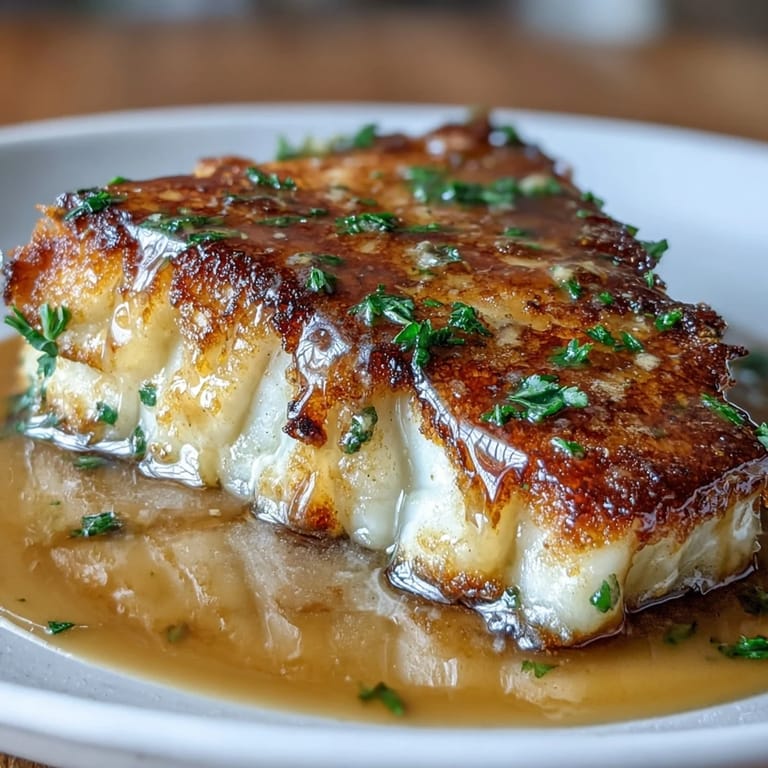
- Wipe out the hot skillet, add the remaining 4 tablespoons butter, and lower the heat to medium. Watch it carefully as it melts, foams, and gradually turns golden brown with a nutty aroma—this takes about 2 to 3 minutes, and burning it means starting over.
- Finish and serve:
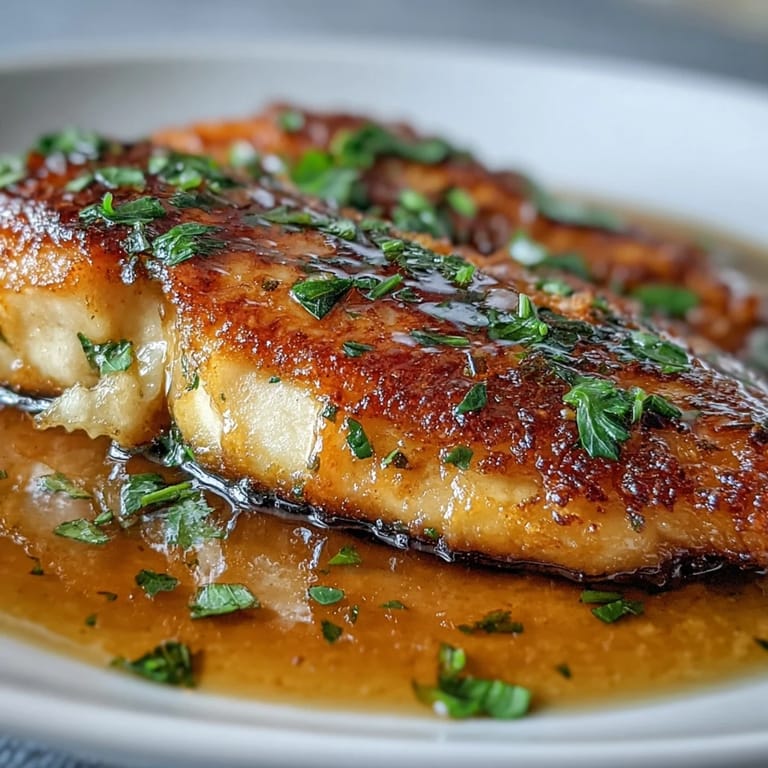
- The moment the butter reaches that perfect golden-brown stage, remove the pan from heat. Stir in the lemon juice and parsley, then immediately spoon this precious sauce over the waiting fish on your platter.
 Pinterest
 There was an evening when my kitchen filled with the smell of browning butter and I realized that's when cooking stopped being a task and became something I genuinely looked forward to. The simplicity of it—flour, butter, lemon, fish—felt like the kitchen equivalent of a perfect conversation where nothing is wasted and everything matters.
Why This Dish Teaches You Real Technique
Flounder meunière strips away all the hiding places—there's no cream sauce to mask mistakes, no long braising to soften rough edges. You learn instantly whether your pan is the right temperature, whether you understand heat control, whether you respect your ingredients. This dish is honest work, which is exactly why chefs use it to separate the people who cook from the people who read recipes.
Choosing Your Fish and Keeping It Fresh
The fresher your flounder, the better this dish becomes, because the delicate flavor really shines through. Ask your fishmonger if the fillets came in that morning, and if they did, buy them immediately—don't let them sit in your refrigerator more than a day. If flounder isn't available, dover sole offers a similar elegance, and tilapia works in a pinch though it has less personality.
What to Serve Alongside
This dish deserves a quiet side that doesn't compete—steamed green beans with a whisper of garlic, roasted fingerling potatoes, or even just a simple arugula salad with lemon vinaigrette keeps the spotlight on the fish. The sauce is rich enough that you don't need much else, just something to soak up the extra butter and complete the plate.
- Prepare your sides first so the fish can be the final act, arriving at the table while still warm.
- A dry white wine like Sauvignon Blanc or Albariño pairs perfectly and echoes the lemon notes in the sauce.
- Serve immediately on warm plates—this dish doesn't wait well, and that's part of its charm.
 Pinterest
 This recipe has become my proof that cooking doesn't need to be complicated to be memorable—sometimes it just needs to be done well. Every time I make it, I fall a little deeper into appreciating the clarity of simple, perfect flavors.
Recipe FAQs
- → What does Meunière mean?
Meunière is French for "miller's wife," referring to the traditional technique of dredging fish in flour before cooking. This creates a light, crispy coating while keeping the flesh tender and moist inside.
- → Can I use other fish varieties?
Absolutely. Dover sole, tilapia, cod, or any mild white fillet works beautifully. Choose thin fillets that cook quickly and evenly. The butter sauce complements delicate white fish perfectly.
- → How do I know when the butter is browned?
Watch for golden-brown color and a nutty aroma—this takes 2-3 minutes over medium heat. The milk solids will toast and deepen in color. Remove from heat immediately, as it can burn quickly.
- → What should I serve with this?
Steamed green beans, roasted potatoes, or a simple green salad pair wonderfully. The dish is substantial enough with just vegetable sides, though crusty bread helps soak up the extra sauce.
- → Can I make this gluten-free?
Yes. Substitute rice flour or a gluten-free all-purpose blend for the wheat flour. The coating and sauce technique remain exactly the same, producing equally delicious results.
- → Why add both butter and olive oil?
Butter provides rich flavor, while olive oil raises the smoke point and prevents burning. Together they create perfect frying conditions—golden, crispy fish without the risk of scorched butter.