 Pinterest
 There was a Tuesday night when my roommate came home looking absolutely exhausted, and I had maybe fifteen minutes to turn around her mood with dinner. I'd watched enough cooking shows to know that teriyaki had this almost magical ability to make people lean forward the moment they smelled it, so I grabbed some beef from the freezer and started slicing while the pan heated up. That bowl she ate standing at the counter, eyes closed between bites, taught me that some of the best meals don't need complicated techniques or hours of planning.
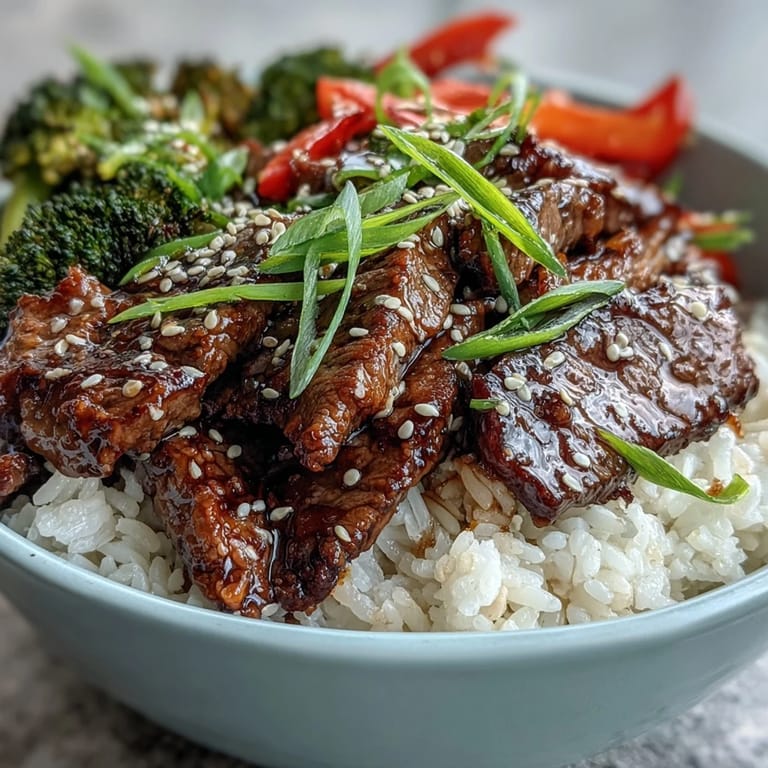
I made this for my sister's family on a rainy Saturday, and her kids who normally pick around their vegetables were actually asking for seconds of the broccoli because it had soaked up all that glossy teriyaki glaze. Watching them understand that vegetables could taste this good felt like a small victory, and now it's become the dish she texts me for when she needs to impress without stress.
Ingredients
- Flank steak or sirloin, thinly sliced (500 g or 1.1 lbs): Cut it thin enough to cook through in just a couple minutes, which keeps it tender rather than chewy—a sharp knife and a steady hand make this step actually enjoyable.
- Cornstarch for beef (1 tbsp): This creates a silky coating that helps the meat brown beautifully and keeps it from sticking to the wok.
- Vegetable oil (1 tbsp): Use something with a high smoke point like canola or peanut oil so it doesn't burn when your heat is up.
- Soy sauce (80 ml or 1/3 cup): The backbone of the sauce—don't reach for the cheapest bottle, as it really does make a difference in depth of flavor.
- Mirin (60 ml or 1/4 cup): This sweet Japanese rice wine adds a glossy finish and subtle complexity that honey alone can't quite capture.
- Honey or brown sugar (2 tbsp): Balances the salty-savory elements and creates that caramelized shine everyone notices.
- Rice vinegar (2 tbsp): A bright note that keeps the sauce from feeling one-dimensional or cloying.
- Garlic and ginger (2 cloves garlic, 1 tsp ginger): Mince the garlic fine and grate the ginger fresh because it makes the sauce taste alive rather than flat.
- Cornstarch slurry (1 tbsp cornstarch mixed with 2 tbsp water): This thickens the sauce to that perfect glossy consistency without making it gloppy—whisk it in slowly.
- Carrots (1 medium, julienned): The sweetness of carrots plays beautifully against the salty sauce.
- Red bell pepper (1, thinly sliced): Adds color, crunch, and a slight sweetness that balances the umami.
- Broccoli florets (150 g or 5 oz): The florets catch the sauce in their little crevices, which is why everyone suddenly decides they like broccoli.
- Spring onions (2, sliced, plus extra for garnish): The fresh bite at the end pulls the whole bowl together and adds a textural contrast.
- Sesame seeds (1 tbsp for garnish): Toast them lightly if you have a moment—it wakes up their nutty flavor.
- Cooked rice (2 cups white or brown): The vessel that catches all that gorgeous sauce, so make sure it's warm and fluffy.
Tired of Takeout? 🥡
Get 10 meals you can make faster than delivery arrives. Seriously.
One email. No spam. Unsubscribe anytime.
Instructions
- Build your sauce first:
- Pour soy sauce, mirin, honey, rice vinegar, garlic, and ginger into a small saucepan and bring it to a gentle simmer over medium heat. You'll notice the kitchen suddenly smelling incredible—that's the garlic and ginger waking up. Once it's bubbling, mix your cornstarch slurry and whisk it in slowly, stirring constantly, and watch it transform from thin to silky in just two to three minutes.
- Prep your beef:
- Toss your thinly sliced beef with a tablespoon of cornstarch until every piece is evenly coated—this step feels small but it's what gives you that restaurant-quality sear. Don't skip it just because it seems simple.
- Get the beef sizzling:
- Heat vegetable oil in your largest skillet or wok over high heat until it's almost smoking. Add the beef and let it sit for just a moment before stirring—you want that initial browning to happen without disturbance. Stir-fry for two to three minutes until the outside is caramelized and it's cooked through, then transfer it to a clean plate.
- Sauté your vegetables:
- Using the same skillet with all those flavorful beef drippings, add your carrots, bell pepper, and broccoli. Stir-fry for three to four minutes until they're tender but still have a slight snap when you bite them. This is where you taste as you go and adjust the cooking time based on how thick you like your broccoli.
- Bring it together:
- Return the beef to the skillet, pour that glossy teriyaki sauce over everything, and toss for about a minute until it's all coated and heated through. The sauce should cling to the meat and vegetables like a glaze.
- Serve with intention:
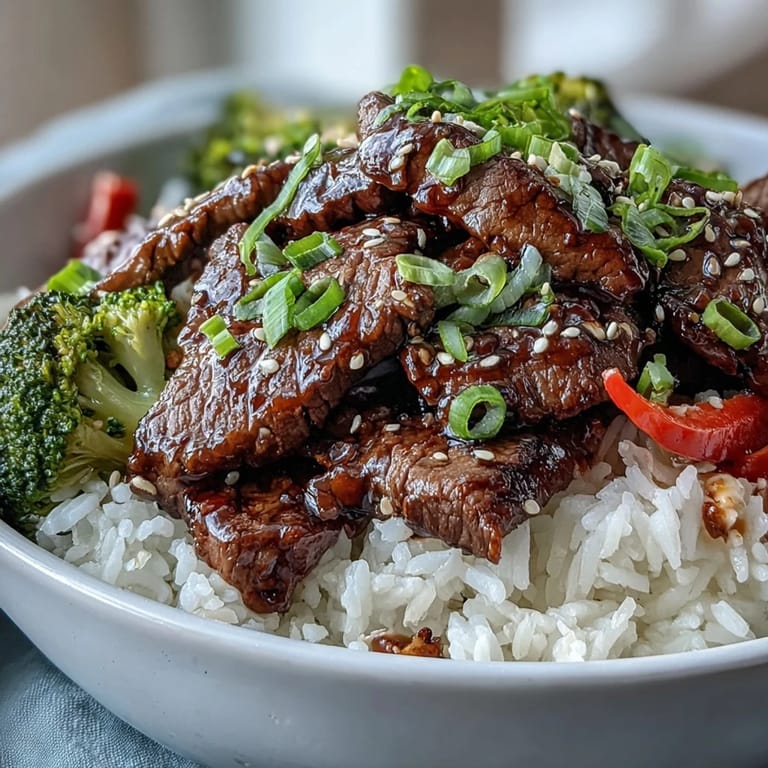
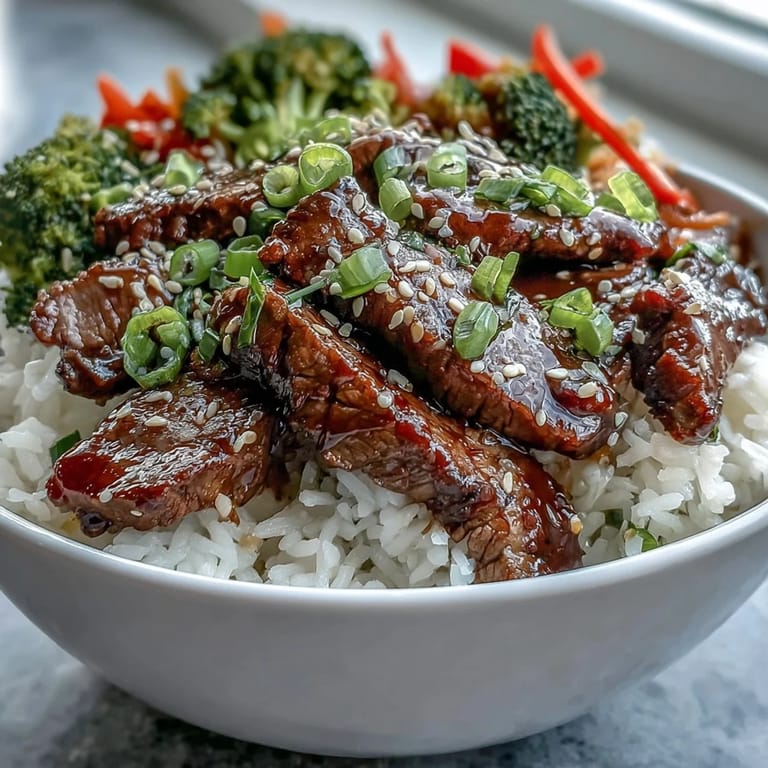
- Divide your hot rice among bowls and top each with the beef and vegetable mixture, spooning extra sauce over the rice. Finish with sliced spring onions and sesame seeds while everything is still steaming.
 Pinterest
 One evening, my neighbor knocked on the door because the smell coming from my kitchen had wandered into hers, and that's when I realized this dish has this almost unfair ability to announce itself. She ended up staying for dinner, and we talked for hours at my small kitchen table while we ate, which reminded me that food is really just an excuse to sit with people you like.
The Science Behind the Sizzle
The reason this comes together so quickly is because you're using high heat to develop flavor through something called the Maillard reaction—that browning of the beef and vegetables happens because proteins and sugars are rearranging at high temperatures, which creates hundreds of new flavor compounds. When you add the glossy sauce at the end, those flavors don't disappear; they meld with the sweetness and umami, creating something that tastes far more complex than the few minutes it took to make it. It's one of those moments where chemistry actually makes you a better cook without you having to think about it too hard.
Making It Your Own
The beauty of this bowl is that it's genuinely flexible without becoming wishy-washy or losing its identity. I've made it with chicken when beef felt too heavy, with tofu when a vegetarian friend was coming over, and even with shrimp when I was in an adventurous mood. The sauce stays the star, and whatever protein or vegetables you choose just gets pulled into its orbit. Some nights I add edamame or snap peas, other times mushrooms if I'm cooking for someone who wants earthier notes, and it's never once felt like I was compromise cooking.
Timing and Temperature Tricks
The reason this meal comes together in thirty-five minutes total is because every component respects the clock—nothing is braised for hours or requires resting. The beef cooks through almost instantly because it's sliced thin, the vegetables hit a perfect tender-crisp in just a few minutes, and the sauce thickens while you're prepping everything else. Pay attention to your heat level; too low and you'll steam instead of sear, too high and you'll burn the garlic in your sauce before the soy sauce even gets warm.
- Brown the beef over genuinely high heat so it colors rather than boils in its own moisture.
- If you're nervous about timing, have everything prepped and in bowls before you even turn on the stove.
- Taste the sauce right before you pour it over and adjust the balance of salty, sweet, and tangy to your preference because everyone's soy sauce brands are slightly different.
 Pinterest
 This bowl has become my go-to when I want to feel like I've cooked something impressive but haven't spent the whole evening standing at the stove. It's the kind of dish that makes people happy without requiring any apologies or explanations, and honestly, that's all any of us really want from dinner.
Recipe FAQs
- → What cut of beef works best?
Flank steak or sirloin are ideal choices. Both cuts become tender when sliced thinly against the grain and cook quickly over high heat. Look for well-marbled meat for the best results.
- → Can I make this gluten-free?
Yes, simply substitute regular soy sauce with tamari or a certified gluten-free soy sauce alternative. All other ingredients including mirin, rice vinegar, and fresh vegetables are naturally gluten-free.
- → How do I store leftovers?
Store components separately in airtight containers in the refrigerator for up to 3 days. Keep rice, beef, vegetables, and sauce in different containers. Reheat gently and assemble before serving for the best texture.
- → What vegetables can I add?
Snap peas, edamame, shiitake mushrooms, baby corn, or bok choy work beautifully. Adjust cooking times accordingly—denser vegetables like carrots need slightly longer while delicate greens cook quickly.
- → Can I use chicken instead?
Absolutely. Thinly sliced chicken breast or thighs work well following the same method. Adjust cooking time slightly to ensure chicken reaches 165°F internally. The teriyaki sauce complements both proteins beautifully.
- → Is mirin essential?
Mirin provides authentic sweetness and glossiness. If unavailable, substitute with additional honey or brown sugar mixed with a splash of dry sherry or white wine to mimic mirin's subtle complexity.